新研究称这种早餐主食能延缓衰老速度

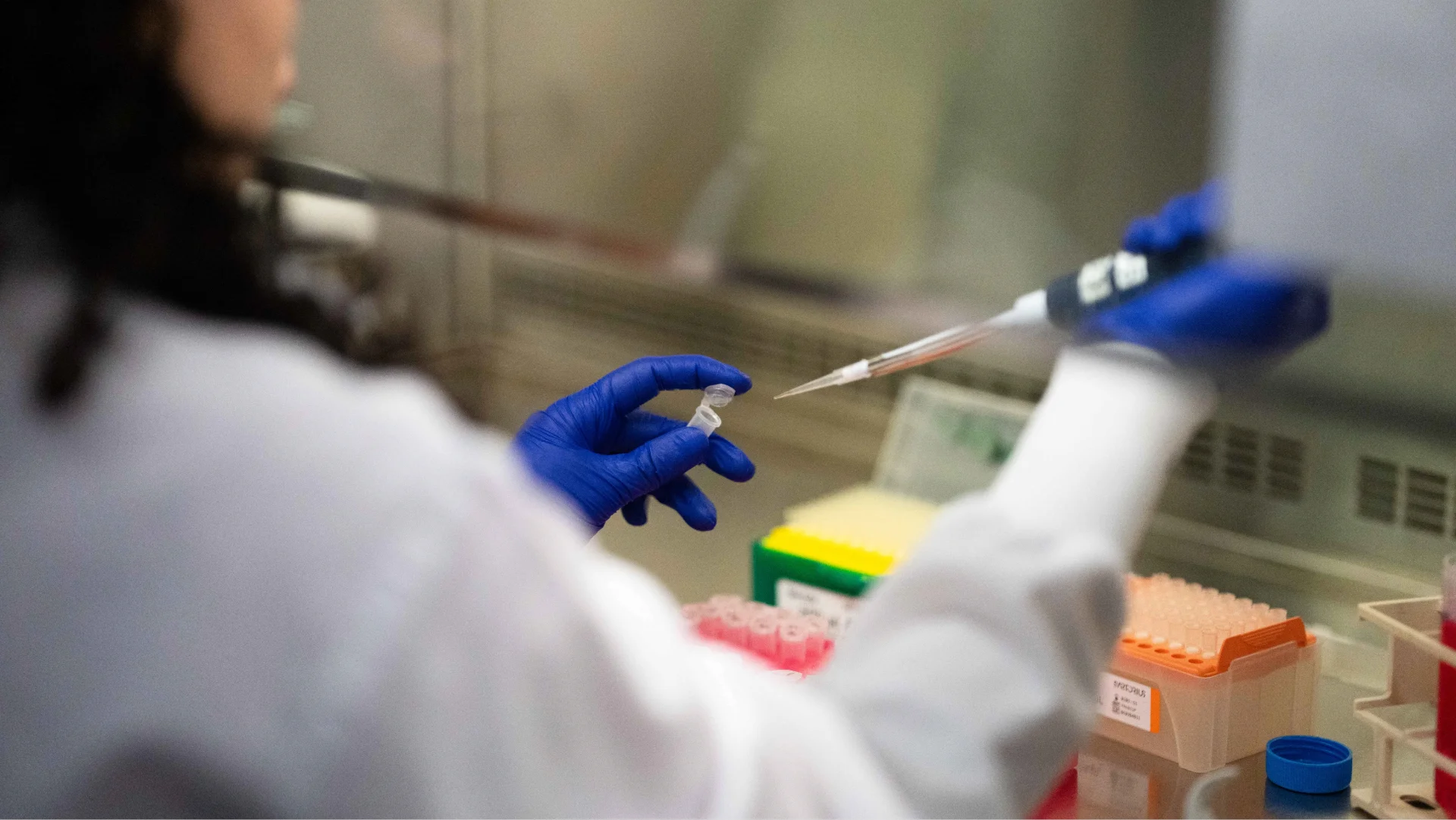
Japanese researchers found that a daily serving of plain probiotic yogurt, combined with a healthier diet and moderate exercise, slowed biological aging in older men.
Photo: Getty
Audio 3 (https://audio.mansueto.com/audio/inc/prd/post/91373048.mp3)
Listen to this ArticleMore info (https://www.inc.com/about/index.html#voice)
0:00 / 0:00
The quest to slow the aging process has uncovered a surprising catalyst: probiotic yogurt.
A new study out of Japan, published in the journal Aging, (https://www.aging-us.com/article/206386/text#results) found that biological aging slowed by 2.2 percent (https://dairynews7x7.com/category/global/daily-yogurt-linked-to-slower#google_vignette) among a small group of older men who ate plain yogurt every day, in addition to adhering to standard recommendations for a healthier diet and moderate exercise.
The 12-week clinical trial followed 48 overweight Japanese men ages 50 to 74. Half of the participants consumed 100 grams of plain yogurt containing the probiotic strain Bifidobacterium longum BB536 (https://www.sciencedirect.com/science/article/pii/S1756464619300684) on a daily basis. They also received dietary counseling to reduce overeating, snacking, and sugary drinks, and were told to take a brisk walk or use a stair climber for 30 minutes a day at least three times a week.
The other men, serving as a control group, were instructed to maintain their usual habits.
Using a measurement tool called DunedinPACE, (https://moffittcaspi.trinity.duke.edu/dunedinpace) which calculates the rate at which a body is aging, the researchers found that the yogurt eaters achieved “a statistically significant reduction in the pace of aging” compared with the control group.
That decrease, averaging 2.2 percent, occurred independently of weight loss, the study said. “It did not directly correlate with changes in the participants’ body mass index (BMI) or the exact number of exercise sessions they logged,” the researchers wrote.
They also observed “a noticeable improvement” in a specific DNA marker linked to kidney function.